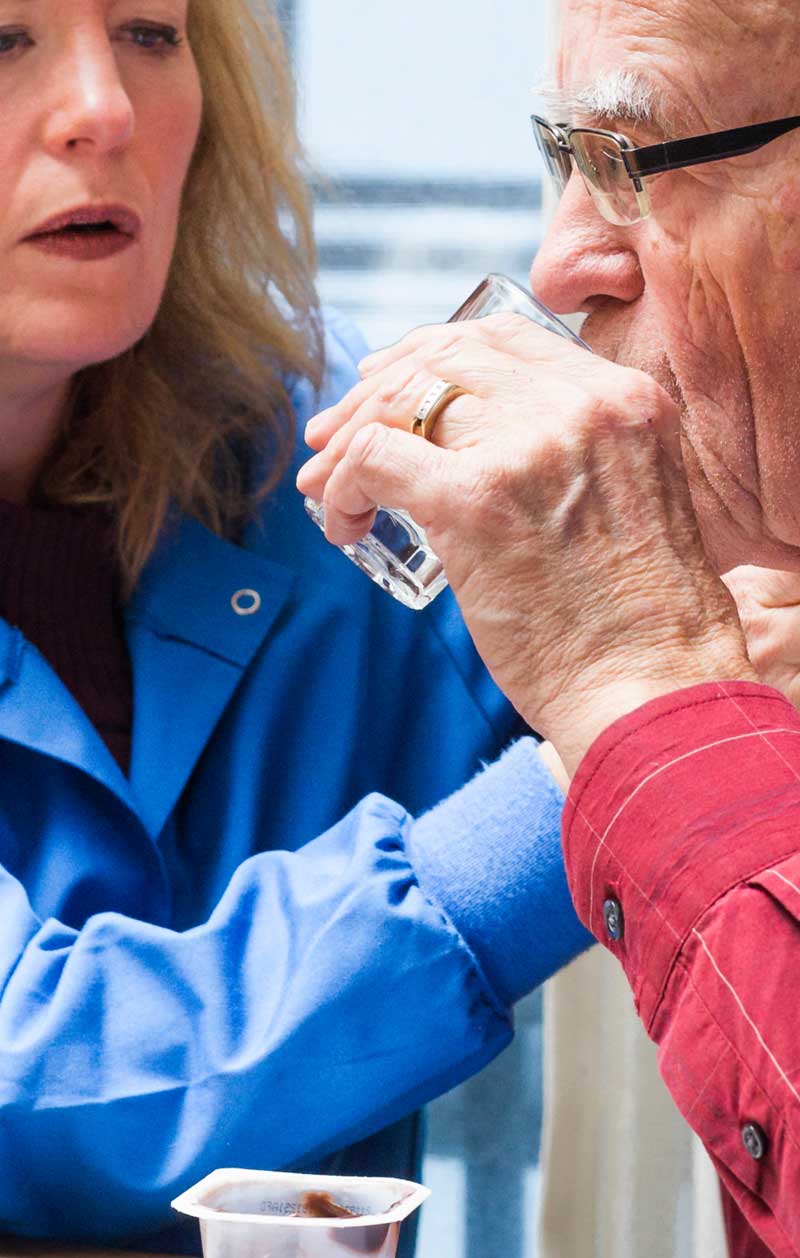
Dysphagia, or difficulty ingesting, is a problem that affects several people, particularly the senior and those with certain clinical conditions. It can dramatically impact one's quality of life and position severe wellness risks if not taken care of appropriately. For caretakers, registered nurses, and healthcare team, understanding dysphagia is important in giving appropriate treatment and support. This overview discovers efficient dysphagia training courses made for different professionals involved in dysphagia management.
What is Dysphagia?
Dysphagia refers to a swallowing condition that can result from various underlying concerns like neurological problems, structural irregularities, or perhaps age-related modifications. People with dysphagia typically experience difficulty in ingesting solid foods, liquids, and even saliva. Signs and symptoms might include coughing throughout meals, a sensation of food getting embeded the throat or chest, and recurrent lung infections because of aspiration.
The Relevance of Comprehending Dysphagia
Understanding dysphagia is essential for healthcare providers as it aids them recognize signs early on and carry out suitable treatments. Additionally, correct knowledge improves person safety and security throughout nourishment and boosts general person satisfaction.
Why is Dysphagia Training Necessary?
Dysphagia training for carers and healthcare team is important for a number of factors:
Enhances Individual Safety: Proper training minimizes the danger of choking and aspiration. Improves Quality of Care: Educated personnel can customize dietary strategies to satisfy private patient needs. Increases Confidence: Personnel who are educated concerning dysphagia are a lot more positive in handling clients effectively. Promotes Interdisciplinary Collaboration: Training urges team effort amongst medical care professionals.
Types of Dysphagia Training Courses
Different training programs cater to varying professional demands within the medical care market:
1. Dysphagia Training for Nurses
Nurses play an essential duty in identifying dysphagic people and implementing ideal interventions. Specialized dysphagia training courses outfit registered nurses with abilities such as:

- Assessing swallowing function Recognizing signs of aspiration Implementing risk-free feeding techniques
2. Dysphagia Training for Carers
Carers typically spend significant time with people encountering dysphagia obstacles. As a result, specialized training focused on sensible skills can empower carers to offer more secure care routines.
3. Dysphagia Care Training for Healthcare Staff
All medical care team member must get basic education and learning on dysphagia administration as part of their initial training programs. This makes sure a detailed approach to client care.
4. Online vs In-Person Dysphagia Courses
Both online and in-person training courses have their Discover more here benefits and drawbacks:
|Facet|Online Courses|In-Person Courses|| -------------------------|--------------------------------------------------|----------------------------------------------|| Adaptability|High; discover at your very own rate|Less versatile; fixed routine|| Interaction|Limited communication|Direct interaction with teachers|| Expense|Frequently less expensive|May require traveling prices|| Availability|Accessible from anywhere|Limited by location|
Key Parts of Effective Dysphagia Training
Successful dysphagia training programs need to consist of several crucial elements:
1. Evidence-Based Practices
Training should be based in present research study findings to make sure that the methodologies showed are both efficient and safe.
2. Hands-On Practice
Incorporating functional workouts allows individuals to obtain real-life experience through simulations or role-playing scenarios.
3. Assessment Techniques
Participants need to learn how to evaluate ingesting difficulties successfully utilizing standard tools.
4. Nutritional Considerations
Understanding dietary adjustments plays an essential function in managing dysphagic patients. Training needs to cover how to prepare changed diet regimens safely while maintaining dietary balance.
Understanding Numerous Sorts of Dysphagia Courses Available
Several institutions supply customized training courses based on particular requirements:
1. Short-Term Workshops
These workshops provide compressed information on essential concepts connected to dysphagia administration over a couple of hours or days.
2. Comprehensive Certification Programs
Certification programs supply a comprehensive review of all aspects associated with dysphagia, consisting of hands-on method over a number of weeks or months.
3. Specialized Advanced Courses
For experienced experts aiming to deepen their knowledge, progressed courses look into complicated cases and unique treatment methods.
Who Demands Dysphagia Training?
While mainly focused on medical care experts such as nurses and carers, any individual associated with food preparation or offering food-- like relative-- can benefit from recognizing dysphagic conditions better.
Evaluating the Effectiveness of Dysphagia Training Programs
To figure out whether a program is effective, consider these vital elements:
- Participant responses: Gather understandings from previous attendees. Course web content: Guarantee it aligns with the most up to date research. Practical application: Look for opportunities within the training course framework for hands-on experiences.
Technology's Function in Dysphagia Management
With improvements in modern technology, various electronic sources help in recognizing dysphagic conditions much better:
- Mobile applications use standards on meal prep work suitable for individuals with ingesting difficulties. Telehealth solutions provide remote assessments by experts when needed.
Challenges Dealt with by Care Team Concerning Dysphasia Management
Care personnel usually face obstacles when taking care of clients experiencing dysphasia:
Lack of expertise about evaluation techniques Difficulty applying nutritional modifications Emotional stress and anxiety from seeing client strugglesBy participating in extensive training programs like "dysphagia care training," these hurdles can be alleviated effectively!
FAQs About Recognizing Dysphasia
1. What prevail causes of dysphaia?
Dysphaia can arise from neurological problems (like stroke), structural irregularities (such as lumps), or compromised muscle mass because of aging or illness like ALS.
2. Just how can I assist someone with dysphaia eat?
Encourage tiny attacks, guarantee they sit upright while eating/drinking, and check them closely during meals for any signs of distress.
3. Exist various sorts of diet plans recommended?
Yes! Diets might include pureed foods or thickened liquids relying on private assessments made by trained specialists adhering to evidence-based guidelines.
4. Where can I locate trustworthy resources regarding dysphaia?
Many credible companies like ASHA (American Speech-Language-Hearing Association) offer important sources on-line relating to evaluation tools & & therapy choices offered today!
5. What credentials do fitness instructors require for mentor concerning dypahgia?
Trainers commonly hold medical levels relevant (e.g., Speech-Language Pathologists) plus qualifications appropriate especially towards informing others concerning this condition!
Conclusion
Understanding Dysphasia: A Guide to Effective Training Training courses provides vital insights into exactly how caregivers and health care experts can enhance their abilities via specialized education and learning programs tailored towards handling this condition efficiently! With appropriate training comes confidence leading inevitably towards enhanced person results-- making certain those impacted get quality care they are worthy of! By investing time into discovering such vital subjects one not just boosts individual knowledge but also contributes positively towards community wellness overall!